Listen before prescribing
The song, the artist’s intent, and the actual problem come before tools or techniques.
About Sum & Difference
Founded by Clyde Rose, Sum & Difference helps artists, producers, engineers, and home studio owners make better audio decisions through independent evaluation, education, and thoughtful collaboration.
Every Second Listen and mixing project is currently evaluated and performed personally by Clyde.

The founder
Clyde Rose began working in commercial recording studios in 2005. His experience spans recording, production, mixing, critical listening, studio design, equipment integration, acoustics, and workflow consulting across commercial and private studios.
That background includes recording and producing projects at Platinum Sound Recording Studios in New York and Barefoot Recording in Los Angeles, alongside years of work in private studios using analog, digital, and hybrid workflows.
Projects have crossed rock, punk, metal, folk, indie, electronic, pop, neoclassical, singer-songwriter, and other styles. The breadth matters because it helps separate arrangement and production issues, monitoring limitations, and recording problems from true mix problems.
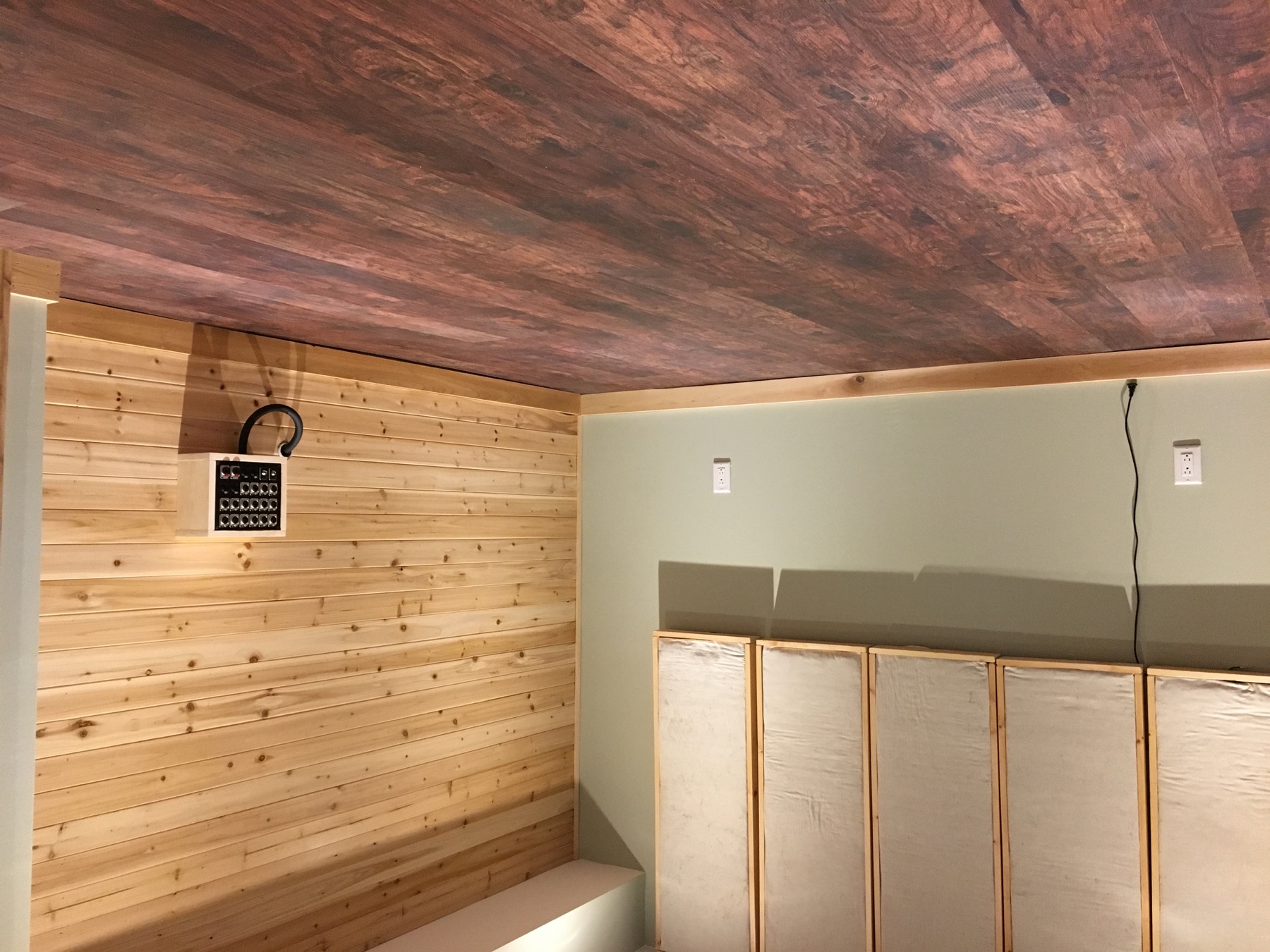
Authentic rooms, real tools, and practical experience behind every recommendation.
Selected work
This Spotify playlist collects a selection of artists and projects Clyde has worked with across different roles. It is not a complete discography: some projects predate Spotify, and others are not available on the platform.
Listen on Spotify ↗The philosophy
Rather than building the practice around a personality, Sum & Difference is built around objective evaluation, thoughtful decision-making, and practical recommendations. The goal is not to impress with opinions. It is to provide clear guidance that helps music communicate more effectively.
A useful second opinion respects both the technical reality of a mix and the emotional intention behind it. That means listening broadly before focusing narrowly: arrangement, impact, balance, translation, and listener attention before isolated plugin settings.
The song, the artist’s intent, and the actual problem come before tools or techniques.
Recommendations should help clients understand the decision—not merely follow an instruction.
A few high-impact changes are usually more valuable than a long list of minor preferences.
Technical improvement matters only when it helps the song communicate more clearly.
Why the name
A mix succeeds through both: the sum of the musical experience and the differences that create clarity, contrast, depth, and movement.
Need an outside perspective?